Fairlife Fat Free Milk: Nutrition, Benefits & Revie in 2026
If you are looking for a dairy milk option with 0g fat and a higher protein content, Fairlife Fat Free Milk is worth exploring. This ultra-filtered milk is designed to provide the familiar nutrition of dairy milk while offering more protein and less sugar than traditional milk.
The product is also lactose-free, making it an option for people who have difficulty digesting lactose. With its smooth texture and convenient nutrition profile, it can be used for breakfast, cooking, baking, smoothies, coffee, and everyday drinking.
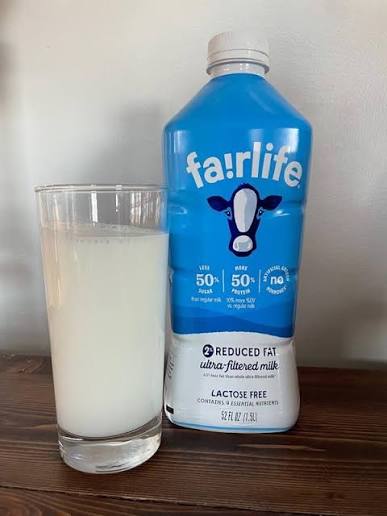
Fairlife 0 percent fat milk
What Is Fairlife Fat Free Milk?
Fairlife Fat Free Milk is a type of ultra-filtered dairy milk made from nonfat milk. The filtration process separates and concentrates some components of regular milk, resulting in a product with a higher protein content and lower sugar amount per serving.
Unlike whole milk or reduced-fat varieties, this version contains 0 grams of total fat per serving. It is also made with lactase enzyme, which allows the product to be labeled lactose-free.
Nutrition Facts
One 1-cup serving (240 mL) provides approximately:
- Calories: 80
- Total Fat: 0g
- Saturated Fat: 0g
- Protein: 13g
- Total Carbohydrates: 6g
- Total Sugars: 6g
- Calcium: 380mg
- Vitamin D: 5mcg
- Potassium: 400mg
- Vitamin B12: 1.1mcg
Nutrition information can change, so it is always a good idea to check the package label before purchasing.
0g Fat Per Serving
One of the biggest features of this product is its zero-fat formulation.
The nonfat base means there is no total fat listed per serving. This makes it different from whole milk and 2% milk, which naturally contain more fat.
For people who prefer the taste and nutrition of dairy but want a fat-free option, this can be a convenient everyday choice.
13 Grams of Protein
Protein is another reason this ultra-filtered milk gets attention.
A single cup contains 13 grams of protein, which is higher than the amount typically found in a serving of conventional milk.
This protein comes from dairy, making the product useful in meals and drinks where you want to include additional protein without adding fat.
You can enjoy a glass with breakfast, add it to oatmeal, blend it into a smoothie, or use it in recipes.
Lower Sugar Than Traditional Milk
This milk contains approximately 6 grams of total sugar per cup.The sugar naturally found in dairy milk is lactose. Because this product goes through an ultra-filtration process, the amount of sugar is lower than what is commonly found in regular milk.
Is It Lactose-Free?
Yes. The product is made with lactase enzyme, which breaks down lactose.
This makes it suitable for many people who are lactose intolerant and want to continue enjoying dairy milk. However, it is important to remember that lactose-free does not mean dairy-free.
The product is still made from cow’s milk and contains milk proteins, so people with a milk allergy should avoid it unless advised otherwise by a qualified healthcare professional.
Calcium and Vitamin D
Dairy products are well known for providing calcium, and this milk is no exception.
One cup provides approximately 380mg of calcium, which is around 30% of the Daily Value.
It also provides vitamin D, with approximately 5mcg per serving. Calcium and vitamin D are important nutrients that support normal bone health as part of an overall balanced diet.
Taste and Texture
Taste is personal, but ultra-filtered dairy milk is generally designed to retain a familiar milk experience.
Because this version has no fat, it may feel lighter than whole or 2% milk. Some people prefer the lighter texture, while others may prefer the richer mouthfeel of higher-fat varieties.
It can be served cold on its own or used as an ingredient in different foods and beverages.
Final Thoughts
Fairlife Fat Free Milk offers a combination of 0g fat, 13g protein, 6g sugar, lactose-free formulation, calcium, and vitamin D in a convenient dairy product.
Its ultra-filtration process gives it a different nutritional profile from traditional milk, particularly when it comes to protein and sugar. It can be enjoyed on its own or incorporated into breakfast, smoothies, coffee, cooking, and baking.
If your priority is a fat-free, lactose-free milk with a higher protein content, this ultra-filtered option may be worth considering. Always check the product label for the latest nutrition and ingredient information before buying